
Menu
Welcome back to Lily’s Love Lounge, where we keep it real, relatable, and ridiculously useful when it comes to relationships.
Have you ever wondered why some people seem to cling for dear life in relationships while others treat love like a casual weekend hobby? Maybe you’re the type who feels secure, chill, and drama-free—or perhaps you’re somewhere in between.
Spoiler alert: It’s not just you—it’s science!
Your attachment style plays a major role in how you love, communicate, and handle conflict. So, let’s break it down and figure out which category you fall into.
Who you are:
• ✔️ Comfortable with intimacy, trust, and independence.
• ✔️ Can express your feelings without spiraling into overthinking.
• ✔️ You handle conflict without turning it into a full-blown soap opera.
How you love:
You’re basically a unicorn in the dating world. You communicate openly, don’t ghost, and don’t get overly anxious about where things are going. Your relationships tend to be stable, healthy, and drama-free—which, let’s be honest, is sexy.
Potential challenge:
Dating someone who’s avoidant or anxious? You might feel frustrated by their push-pull dynamic. Patience is key!
Who you are:
• ✔️ You crave reassurance and affection (please text back ASAP, thanks).
• ✔️ You tend to overanalyze your partner’s words, texts, and tone (“Are they mad at me?”)
• ✔️ You sometimes feel insecure about whether your partner really loves you.
How you love:
You give your all in relationships, but you need consistency and reassurance. If your partner suddenly seems distant, your brain goes into overdrive wondering what went wrong. You love deeply—but sometimes, you worry too much.
Potential challenge:
You might unintentionally push people away with clingy behavior. Learning to self-soothe and build emotional security can help.
Who you are:
• ✔️ You love your independence and keep your emotions on lock.
• ✔️ You get uncomfortable with too much closeness (“Do we really have to talk about our feelings right now?”).
• ✔️ You struggle with vulnerability and might ghost when things get too serious.
How you love:
You want connection, but deep down, intimacy can feel suffocating. When conflict arises, you tend to shut down, detach, or disappear. You’re drawn to strong, independent partners—but might struggle when they want more emotional depth.
Potential challenge:
Learning to trust and let people in is key. Vulnerability isn’t weakness—it’s strength.
Who you are:
• ✔️ You crave love but also fear getting too close.
• ✔️ You might sabotage relationships before they get too serious.
• ✔️ You struggle with mixed signals (“Come here, wait—go away”).
How you love:
You have an inner battle going on—part of you wants deep connection, but another part is terrified of it. You might find yourself bouncing between clingy and distant behaviors. It’s exhausting—for both you and your partner.
Potential challenge:
Healing past wounds is crucial. Therapy, self-work, and a patient partner can help you create healthy and secure relationships.
Your attachment style influences:
• 💬 How you communicate (Do you open up or shut down?)
• ⚡ How you handle conflict (Do you fight, flee, or freeze?)
• ❤️ How you express love (Do you crave closeness or need space?)
Understanding your attachment style can transform your relationships. The more aware you are, the better you can work on your emotional triggers and build a stronger, more balanced connection.
Want to put this into practice? Here are three exercises to improve your attachment style:
1️⃣ Journal Your Triggers – When you feel anxious or distant in a relationship, write down what triggered you. Over time, you’ll notice patterns and can work on breaking them.
2️⃣ Communicate, Communicate, Communicate – Instead of assuming your partner knows what you need, express it clearly. Example: “I feel disconnected when we don’t check in during the day—can we work on that?” Not sure how to start? A deck of relationship questions for couples like Talk For Hours makes it easier to open up.
3️⃣ Build Self-Security – A healthy relationship starts with you. Work on your confidence, self-love, and emotional regulation. The more secure you feel within yourself, the healthier your relationships will be.
Your attachment style isn’t a life sentence—it’s a starting point for growth. Whether you’re secure, anxious, avoidant, or somewhere in between, self-awareness is the key to building stronger, healthier relationships. So, take a deep breath, embrace the journey, and remember—love isn’t about perfect attachment, it’s about learning, evolving, and showing up for yourself and your partner.
In this issue
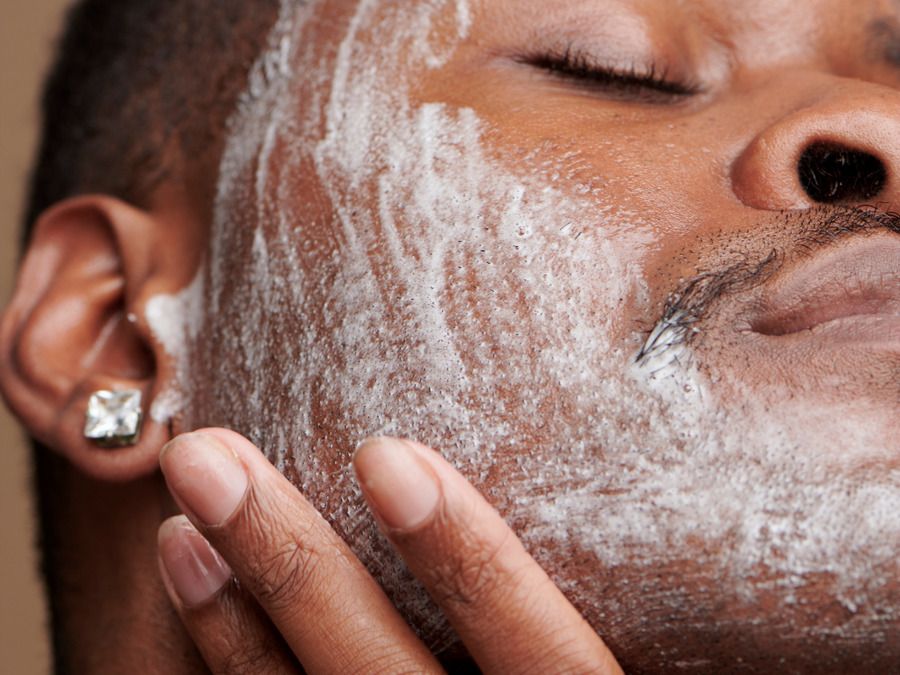
Most skincare routines stop at the neck. Here’s a simple body care routine, under five minutes a day, plus a weekly ritual...
Read the story →
Worried about how you look, how long it’s taking, or whether you’re “doing it right”? Here’s how to stop performing and start...
Read the story →
Conflict isn’t the problem. Unrepaired conflict is. Psychoanalyst Jordan Dann shares five techniques to help couples fight better and repair faster.
Read the story →
When your partner is running on empty, it’s easy to end up on empty too. Here’s how to help them recharge while...
Read the story →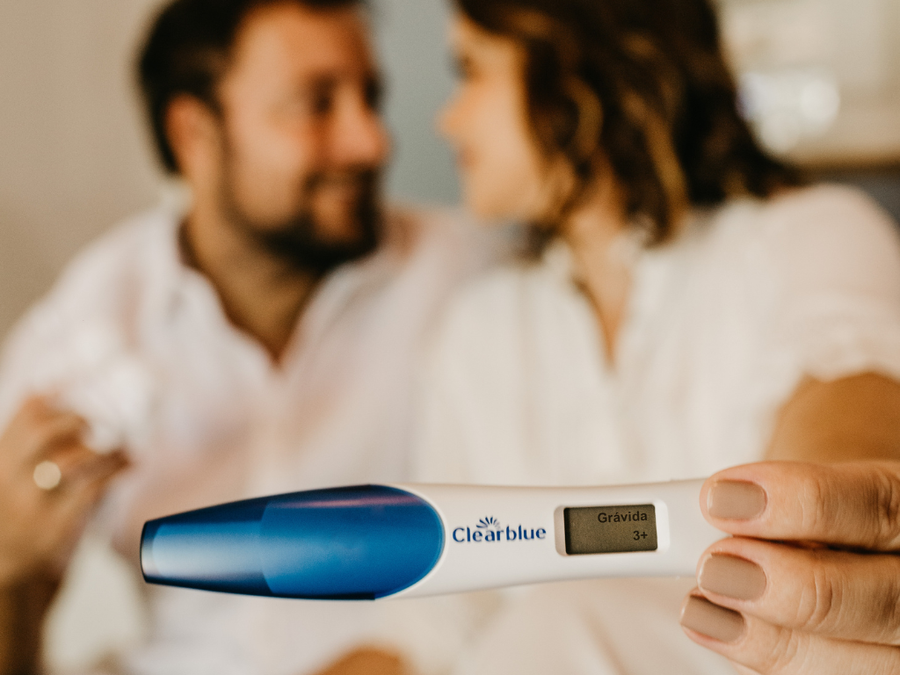
Ovulation apps, test days, and sex with a calendar invite: trying for a baby can test any couple. Here’s how to keep...
Read the story →
New habits, new goals, new you… and a partner who feels a step behind. Honest, friendly advice for couples when one of...
Read the story →
From $100K in debt to financial freedom in their early 30s, Ali and Josh Lupo of The FI Couple share how they...
Read the story →
Is that knot in your stomach a red flag or just your overthinking brain? A few simple tells, a quick quiz, and...
Read the story →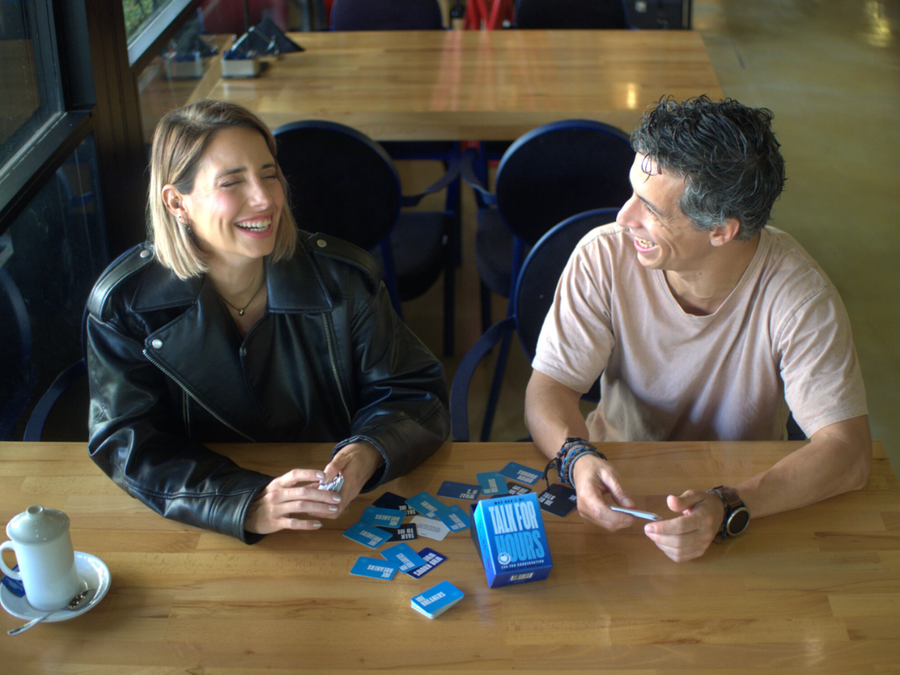
No phones, no plans, no agenda. The Decompression Date is the easiest (and most underrated) date you’ll take this year, and exactly...
Read the story →
Skip the outfits that only work in photos. From Sunday brunch to a night in, here are his and hers style picks...
Read the story →
In Spain, a good life isn’t measured in money or luxury, but in time: long lunches, siestas, and evening strolls. Welcome to...
Read the story →Your cart is currently empty.